
Climate-Smart Agriculture
Promoting farming practices that improve productivity while helping farmers respond to climate change.
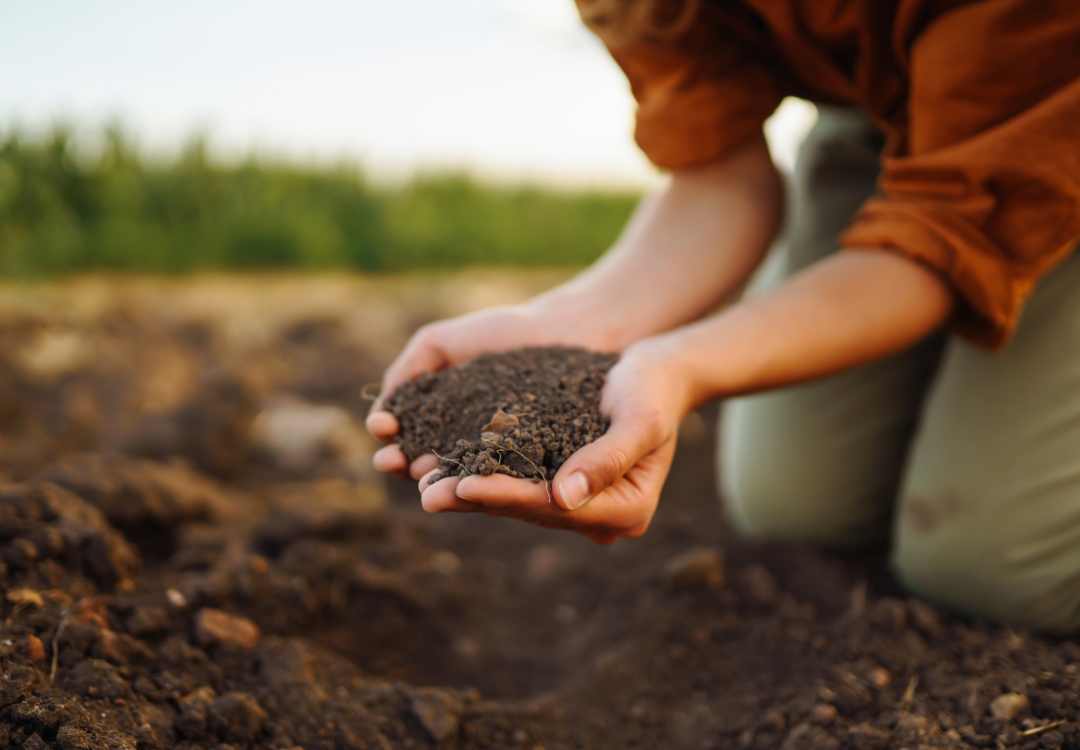
Soil Conservation
Encouraging practices that protect soil fertility, reduce erosion and support sustainable agricultural production.
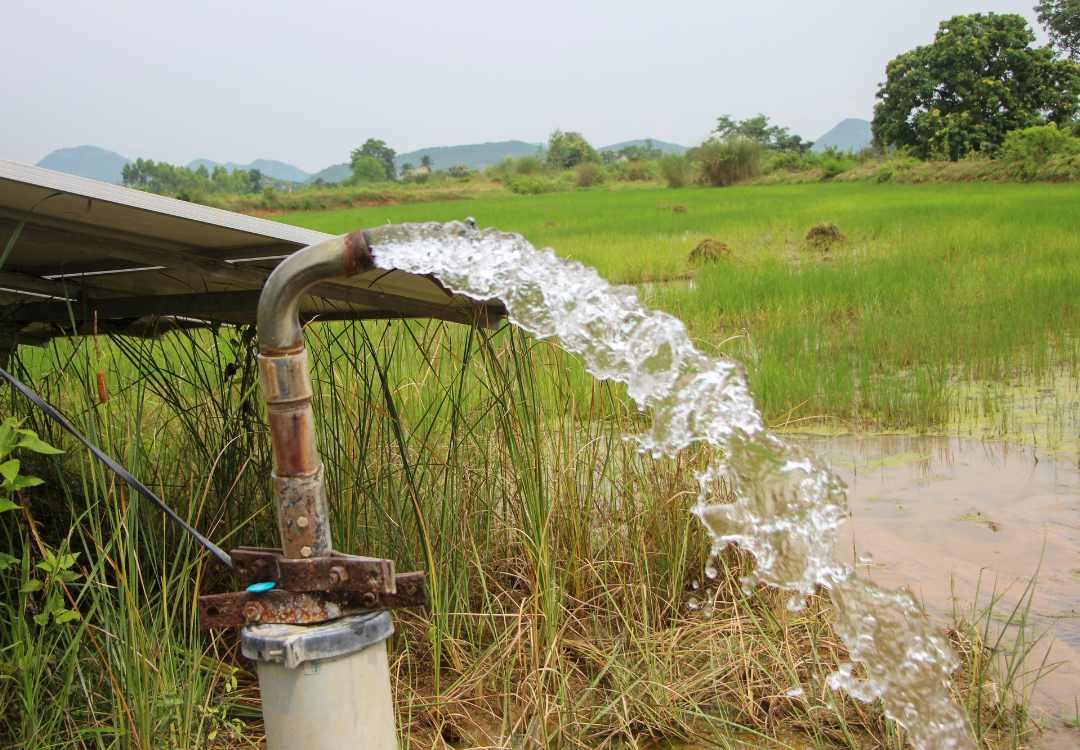
Water Harvesting
Promoting efficient collection, conservation and use of water for farming and livestock activities.
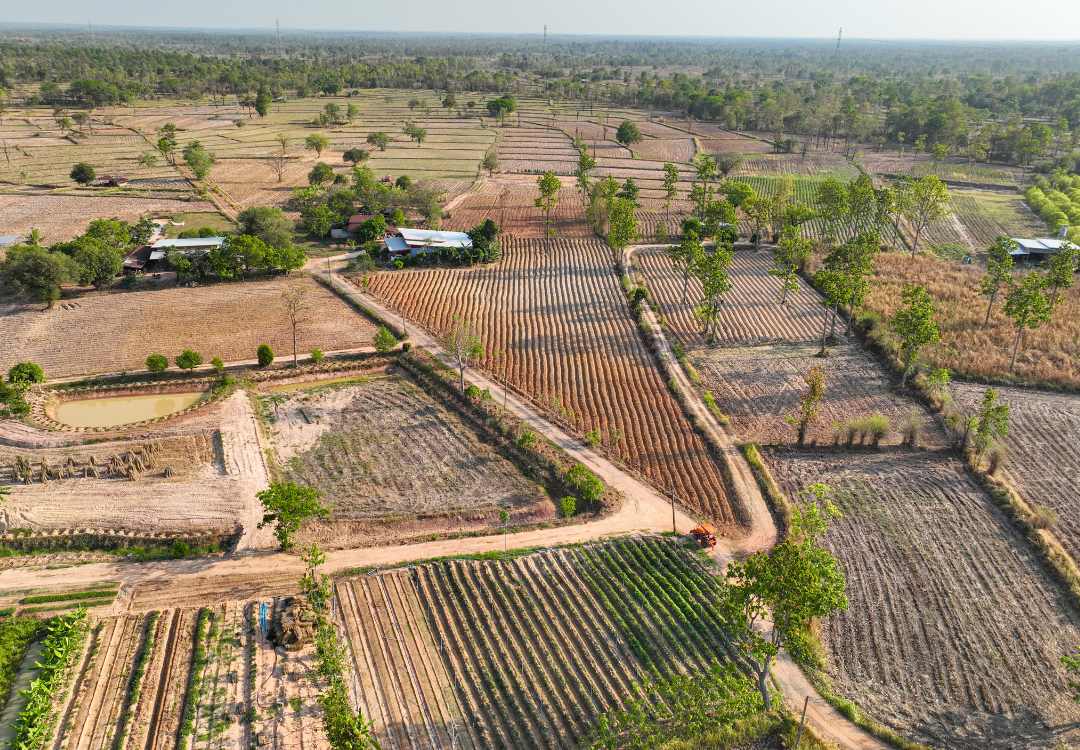
Sustainable Land Management
Supporting responsible use of land to maintain productivity and protect natural resources.

Agroforestry
Encouraging the integration of trees with farming to improve soil health, biodiversity and environmental resilience.
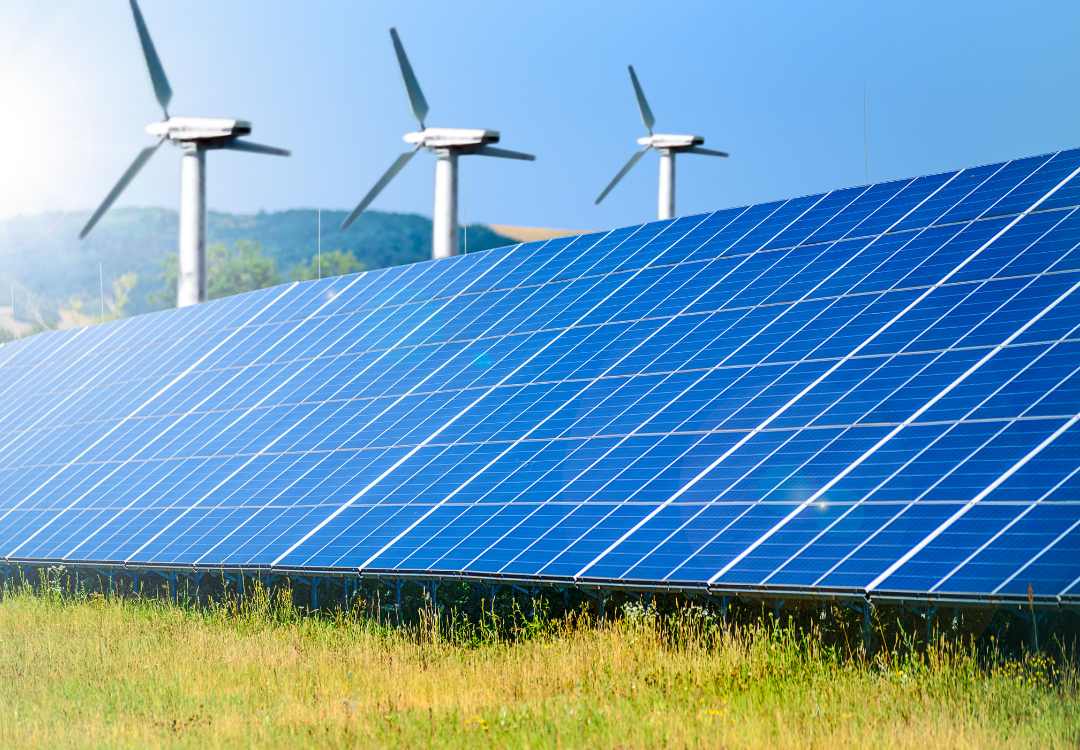
Renewable Energy
Promoting appropriate clean-energy solutions that can support sustainable agricultural activities.

Drought-Resistant Crops
Encouraging suitable crop varieties that can perform better under dry and changing climatic conditions.
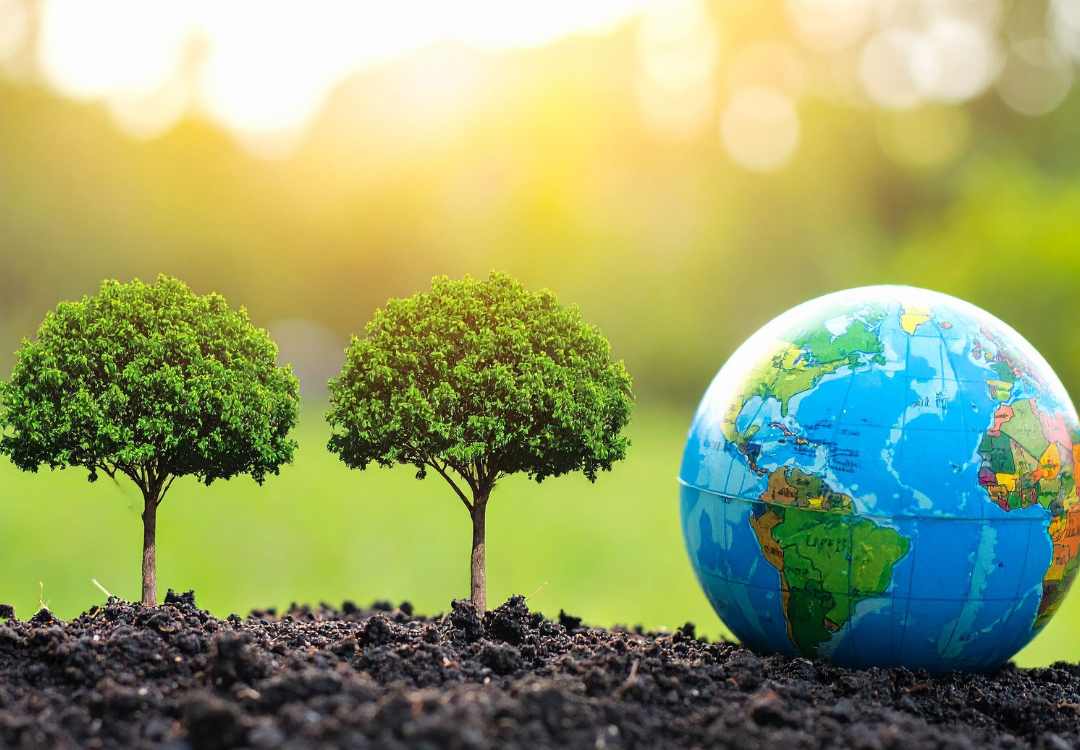
Environmental Education
Building awareness and practical knowledge about environmental protection and responsible natural-resource management.
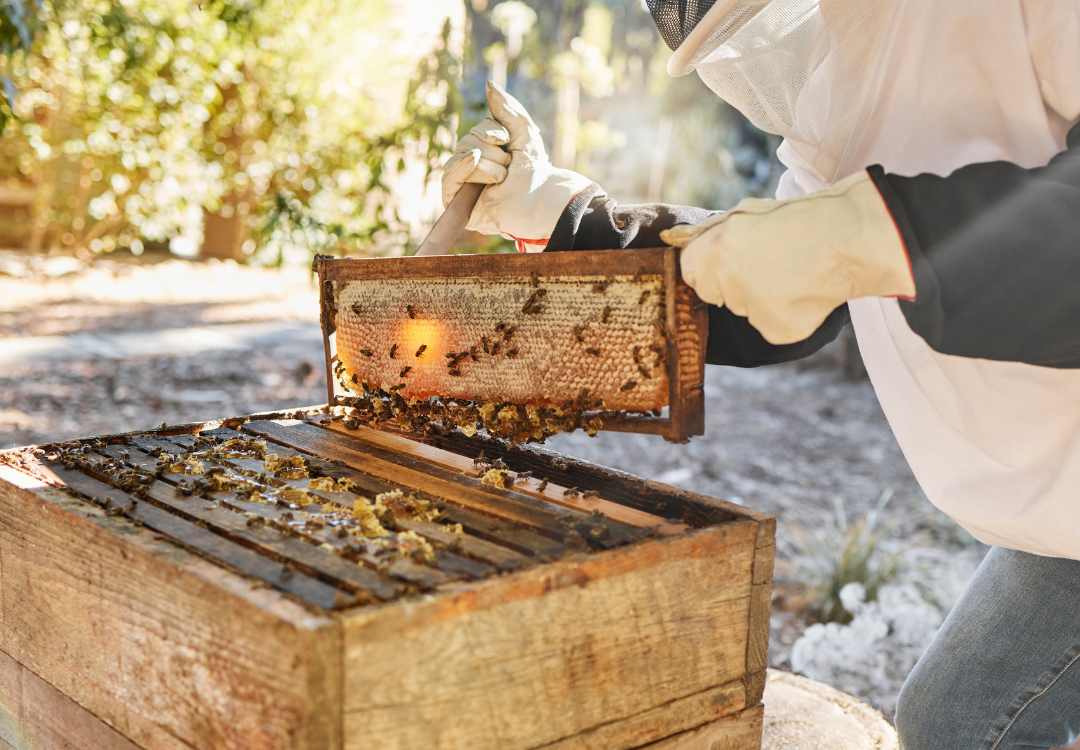
Sustainable Beekeeping
Promoting beekeeping practices that generate income while supporting forests, pollinators and biodiversity.

Biodiversity Conservation
Encouraging protection of plants, animals and natural ecosystems that support sustainable agriculture.